Top Five Lake Destinations for Kayaking Enthusiasts
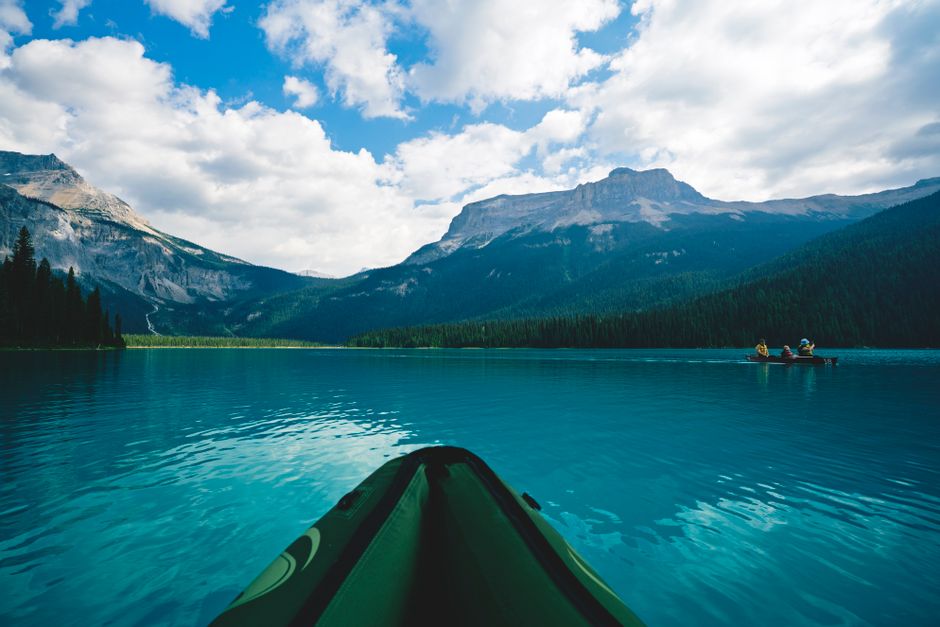
For those who enjoy exploring waterways from the perspective of a kayak, choosing a lake often involves more than just scenic appeal. Paddling conditions, accessibility, and the surrounding environment all play a role in shaping the experience. This article examines five notable lake destinations that offer a range of paddling environments, from sheltered inland waters to larger, more exposed bodies of water. The focus is on understanding what each location provides in terms of kayaking opportunities and how paddlers can prepare for the conditions they may encounter.
Whether one is new to kayaking or has extensive experience, selecting a destination that matches skill level and expectations is a practical consideration. Factors such as wind patterns, water temperature, and the presence of other water users can influence both the enjoyment and safety of a trip. The following sections outline the characteristics of each lake, along with general observations about what to anticipate when planning a kayaking excursion.
Lake Tahoe, United States
Lake Tahoe, straddling the border between California and Nevada, is known for its clear blue waters and the surrounding Sierra Nevada mountains. The lake’s size—roughly 22 miles long and 12 miles wide—means that paddling conditions can vary significantly depending on the time of day and season. During summer months, the water temperature remains cool, often between 15 and 20 degrees Celsius, which makes it suitable for kayaking with appropriate gear. Wind patterns tend to develop in the afternoon, so many paddlers choose to start early in the morning to take advantage of calmer water.
The shoreline offers numerous launching points, including public beaches and designated kayak launches. Emerald Bay, on the southwestern side, is a popular area for its sheltered coves and dramatic scenery. Paddlers can expect to share the water with powerboats and tour vessels, particularly near the north and south shores. Navigation skills and awareness of boat traffic are advisable. For those interested in a longer trip, the lake’s perimeter provides a multi-day route, though planning for resupply and weather changes is necessary. Overall, Lake Tahoe presents a mix of open water and protected bays, making it a destination that can accommodate different styles of kayaking.
Loch Lomond, Scotland
Loch Lomond, located in the southern part of the Scottish Highlands, is one of the largest bodies of water in Great Britain by surface area. Its length of approximately 23 miles and varied shoreline create a diverse paddling environment. The southern section of the loch is broader and more exposed to wind, while the northern part narrows between islands and offers more sheltered passages. Water temperatures remain cool throughout the year, rarely exceeding 15 degrees Celsius even in summer, so a dry suit or wetsuit is often recommended.
Access points are available at several locations, including Balloch, Luss, and Tarbet. The Loch Lomond and The Trossachs National Park authority manages the area and provides information on designated launch sites. Kayakers should be aware that weather conditions can change rapidly, with winds funneling through the surrounding hills. It is also worth noting that the loch is used by a range of other watercraft, from small fishing boats to larger passenger vessels. Paddling close to the islands can offer respite from wind and provide opportunities to observe wildlife such as ospreys and herons. Loch Lomond is a destination that rewards careful planning and respect for the local conditions.
Windermere, England
Windermere, the largest natural lake in England, lies within the Lake District National Park. Measuring about 11 miles in length, it is a well-known location for recreational water activities, including kayaking. The lake is divided into a northern basin and a southern basin, with the narrowest point near the middle. Water temperatures vary seasonally, reaching around 18 degrees Celsius in late summer. Early morning paddles often provide the calmest conditions, as wind tends to increase during the day.
Public launch sites are available at Bowness-on-Windermere and Ambleside, among other points. The lake sees considerable boat traffic, especially during the summer holidays, so maintaining a safe distance from larger vessels is advisable. Speed limits are enforced in certain areas, and kayakers are expected to follow navigation rules. The surrounding fells offer a scenic backdrop, and the numerous islands, such as Belle Isle, can be explored with care. Paddlers should also be aware of underwater hazards near the shore and in shallow areas. Windermere provides a balance between accessibility and natural beauty, making it a frequent choice for both beginners and experienced kayakers.
Lake Garda, Italy
Lake Garda, situated in northern Italy, is the largest lake in the country and offers a distinctly different environment for kayaking. The lake is approximately 32 miles long and is bordered by mountains to the north and gentler hills to the south. The northern part of the lake tends to experience stronger winds, such as the Ora and the Pelèr, which can create choppy conditions. The southern basin is generally calmer, making it more suitable for those who prefer flat water paddling.
Water temperatures in summer can reach 22 to 24 degrees Celsius, allowing for lighter paddling clothing. Numerous towns around the lake, including Riva del Garda, Malcesine, and Desenzano, offer kayak rentals and launch facilities. Paddlers can explore the shoreline, visit small beaches, or venture out to the islands, such as Isola del Garda. The presence of windsurfers and sailing boats means that kayakers should remain attentive to changing wind directions. Planning trips based on weather forecasts is a practical approach, as conditions can shift from calm to challenging within a short period. Lake Garda is a destination that combines cultural interest with kayaking opportunities, particularly for those who appreciate a warm climate and scenic landscapes.
Lake Wanaka, New Zealand
Lake Wanaka, located in the Otago region of New Zealand’s South Island, is surrounded by mountains and offers a more remote paddling experience. The lake covers about 75 square miles and is known for its clear, glacially fed waters. Water temperatures remain cool year-round, typically between 10 and 15 degrees Celsius in summer, so insulating layers are necessary. The prevailing winds often come from the north-west, and the lake can develop a significant chop when the wind picks up.
Access points include the town of Wanaka itself, as well as various boat ramps along the shoreline. The lake is less crowded than some of the other destinations mentioned, which can appeal to those seeking a quieter adventure. Paddlers can explore the many bays and inlets, or cross to the far side for a different perspective of the surrounding peaks. However, the lake’s size and exposure require a solid understanding of weather patterns and safety procedures. It is advisable to check local conditions and carry appropriate safety equipment, including a VHF radio or personal locator beacon. Lake Wanaka offers a distinctive environment for kayaking, but it demands a higher level of preparedness due to its remote nature.
Selecting a lake for kayaking involves matching one’s skills and expectations with the specific characteristics of the destination. Each of the five lakes discussed provides a unique combination of scenery, paddling conditions, and logistical considerations. By understanding the typical weather patterns, water temperatures, and local regulations, paddlers can make informed decisions that contribute to a positive experience on the water.