Tips for Safe Swimming in Natural Lakes
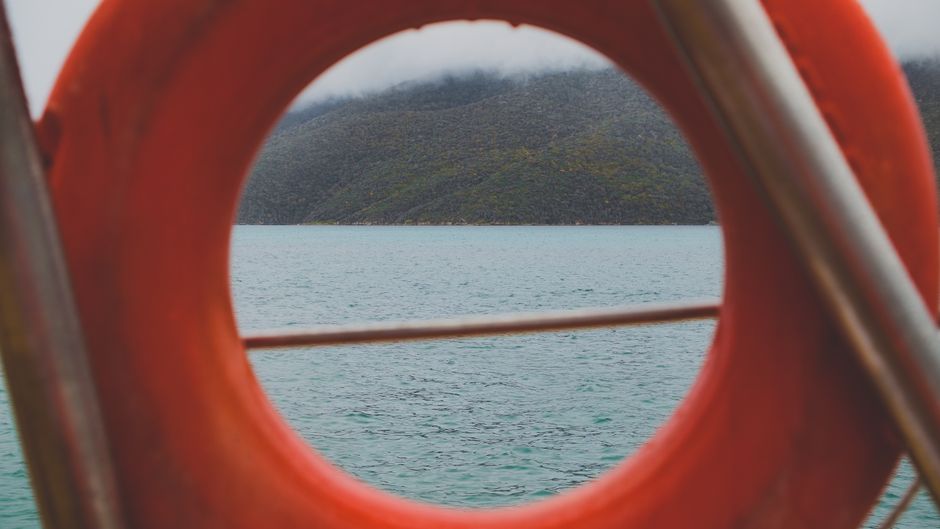
Swimming in natural lakes offers a unique experience that differs significantly from swimming in controlled pool environments. Unlike chlorinated pools with uniform depths and regulated temperatures, lakes present a range of natural variables that require careful consideration. Understanding these variables can help swimmers prepare for conditions that may change rapidly and unexpectedly.
Many swimmers are drawn to lakes for their scenic beauty and sense of freedom. However, beneath the surface, hazards such as sudden depth changes, cold water currents, submerged vegetation, and uneven lakebeds can turn a pleasant swim into a risky situation. This article outlines key aspects of lake swimming safety, focusing on the natural characteristics that every swimmer should be aware of before entering the water.
Understanding the Lake Environment
Natural lakes are shaped by geological and hydrological processes that create highly variable underwater landscapes. One of the most common hidden dangers is a sudden change in depth. A lake bottom may appear shallow near the shore but drop off abruptly into deeper water only a few metres out. Swimmers who are not prepared for this change may find themselves in water far deeper than expected, which can be disorienting or cause panic.
In addition to depth variations, many lakes feature underwater currents that are not visible from the surface. These currents can be caused by inflowing rivers, wind patterns, or thermal layers. Even on a calm day, a current may pull a swimmer away from their intended path. Understanding the local hydrology, such as knowing where streams enter or exit the lake, can help swimmers anticipate areas with stronger movement.
The temperature of lake water also varies significantly. Surface layers may be warm in summer, but deeper water often remains cold year-round. This temperature stratification, known as thermocline, can cause a swimmer diving down to suddenly encounter a layer of very cold water. Such a rapid temperature change may cause involuntary gasping or muscle cramps, increasing the risk of inhalation of water or difficulty swimming.
Acclimatising to Cold Water
Water temperature in UK lakes, even in summer, can be considerably lower than air temperature. Entering cold water abruptly can trigger a range of physiological responses, including increased heart rate and rapid breathing. Taking time to acclimatise is a widely recommended approach. This may involve wading in gradually, splashing water on the face and neck, and allowing the body to adjust before swimming farther from the shore.
Many swimmers find it helpful to wear a wetsuit or neoprene accessories, which provide thermal insulation and buoyancy. However, even with protective gear, the body’s response to cold water requires awareness. Swimmers are encouraged to pay attention to signs of cooling, such as shivering, numbness, or difficulty coordinating movements. These signals indicate that it may be time to exit the water and warm up.
Cold water swimming, when approached methodically, can be a rewarding activity. But it is important to recognise that individual tolerance varies greatly. Factors such as body composition, prior exposure, and overall health influence how each person responds. No single approach guarantees safety, but gradual exposure and careful monitoring of one’s own condition can help reduce risks associated with cold water immersion.
Assessing Water Quality and Hidden Hazards
Water quality in natural lakes is not monitored as consistently as in swimming pools. Algal blooms, particularly blue-green algae, can occur in warm, nutrient-rich waters and may produce toxins that are harmful to humans and animals. Swimmers should check local advice or signage regarding current water quality conditions before entering the lake. If there is visible scum, discolouration, or a strong odour, it is best to avoid swimming.
Submerged objects such as logs, rocks, or debris may be present beneath the surface, especially after storms or seasonal changes. These can cause injury if a swimmer dives or steps on them unexpectedly. Lakes with heavy boat traffic may also have mooring lines or anchors that pose entanglement risks. Taking time to survey the area from the shore and asking locals or site managers about known hazards can provide useful information.
Another consideration is the presence of aquatic plants like reeds or weed beds. Dense vegetation can entangle limbs and make swimming more strenuous. It is often advisable to swim in designated areas where the lakebed has been cleared or where regular use keeps vegetation under control. Understanding the specific characteristics of a lake before entering helps swimmers make informed decisions about where and how to swim.
Swimming with Others and Planning Ahead
Swimming in a natural lake is generally safer when done with at least one other person. A buddy system allows swimmers to watch for signs of distress, assist if someone gets into difficulty, and call for help if needed. It is also helpful to inform someone on shore about your planned swim route and expected return time, particularly in remote locations with limited mobile phone reception.
Before entering the water, it is useful to identify exit points along the shore. A lake that appears easy to enter from one bank may have steep or muddy edges elsewhere, making exit difficult. Checking for clear, accessible points and noting landmarks can prevent confusion while swimming. Many lakes have designated swimming areas with safety buoys or markers; using these areas can offer additional visual reference points.
Weather conditions also play a significant role in lake safety. Wind can create waves that make swimming more demanding and obscure visibility. Rain may reduce water clarity or increase runoff, introducing pollutants. Checking the forecast and planning a swim for a time with stable weather conditions is a practical step. Avoiding swimming during storms or high winds reduces the chance of being caught in rapidly changing conditions.
Responding to Unexpected Situations
Even with careful planning, situations can arise that require a calm response. If a swimmer becomes tired or feels a current pulling them, the recommended approach is to float on the back rather than fighting against the water. Floating conserves energy and allows the swimmer to rest while assessing their position. Panicking often leads to quicker exhaustion and can worsen the situation.
If someone else appears to be in difficulty, it is crucial to avoid direct contact unless properly trained. Reaching out with a stick, throwing a buoyant object, or using a rope can help without putting the rescuer at risk. Shouting for assistance and calling emergency services may be necessary, especially in remote areas. Knowing the location’s nearest emergency contact point or having a means of communication readily accessible can make a significant difference.
Regular practice of basic water safety skills, such as treading water, floating, and controlled breathing, can help swimmers feel more confident in unexpected situations. Many local organisations offer open water swimming courses that cover these techniques in a structured environment. Such training does not eliminate risks but does provide a foundation for making safer choices while swimming in natural lakes.
Ultimately, enjoying a lake swim is about respecting the environment and acknowledging that conditions can change. By understanding the unique features of each lake, preparing thoughtfully, and swimming with awareness, individuals can better appreciate the natural surroundings while minimising unnecessary risks.